Farming with algorithms: why data is becoming a core agricultural input
By reframe.food
For generations, farming decisions were driven by experience, observation, and seasonal routines. Today, that knowledge is still essential, but it is no longer sufficient on its own. Climate volatility, tighter environmental rules, and rising costs are pushing agriculture toward a new kind of input, data.
Modern farms generate data continuously. Weather forecasts, soil sensors, satellite imagery, machinery logs, and historical yield records all describe what is happening in the field. The challenge is not access to data. It is turning fragmented information into decisions that make sense in real time.
This is where algorithms enter the picture. Data-driven models can identify patterns that are invisible to the human eye. They can estimate disease risk, predict crop development, or evaluate the impact of different management choices before they are applied. In this context, algorithms do not replace farmers. They support them by narrowing uncertainty.
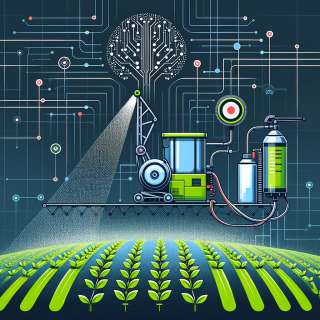
The real shift happens when data models are connected to operations. When insights inform actions directly, such as irrigation, fertilization, or spraying, data becomes operational, not just informative. Farming moves from reacting to problems to anticipating them.
Trust remains a key issue. Farmers need transparency, reliability, and clear benefits. Tools must explain recommendations, adapt to local conditions, and integrate with existing workflows. Without this, even the most advanced model remains unused.
Smart Droplets addresses this challenge by exploring how data, AI models, and digital farm representations can support concrete crop care decisions. By linking analytics with autonomous field operations, the project focuses on making data actionable, measurable, and usable on real farms.
As agriculture continues its digital transition, data is no longer a background resource. It is becoming one of the main drivers of how food is produced in Europe.