
Close



After achieving a functional autonomous navigation state during initial testing, the retrofitted tractor was shipped to the Lithuanian pilot site.
The first season of herbicide and biostimulant/adjuvant applications was performed for weed control and crop support during the autumn season.
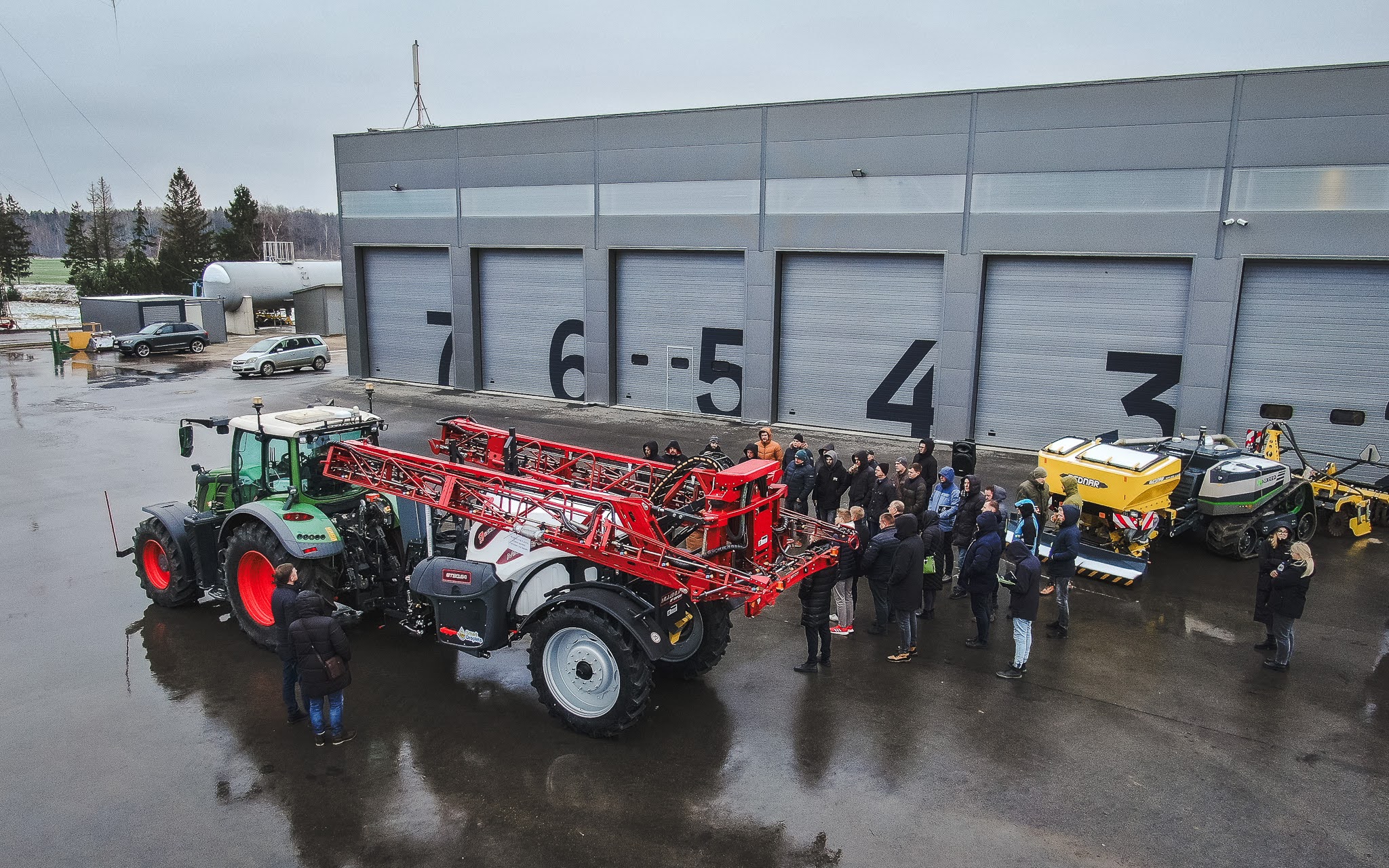
The inaugural Open Day was held at the AFL-led pilot site in Agrokoncernas. The event successfully demonstrated the autonomous navigation and spraying capabilities to an audience of over 100 farmers.
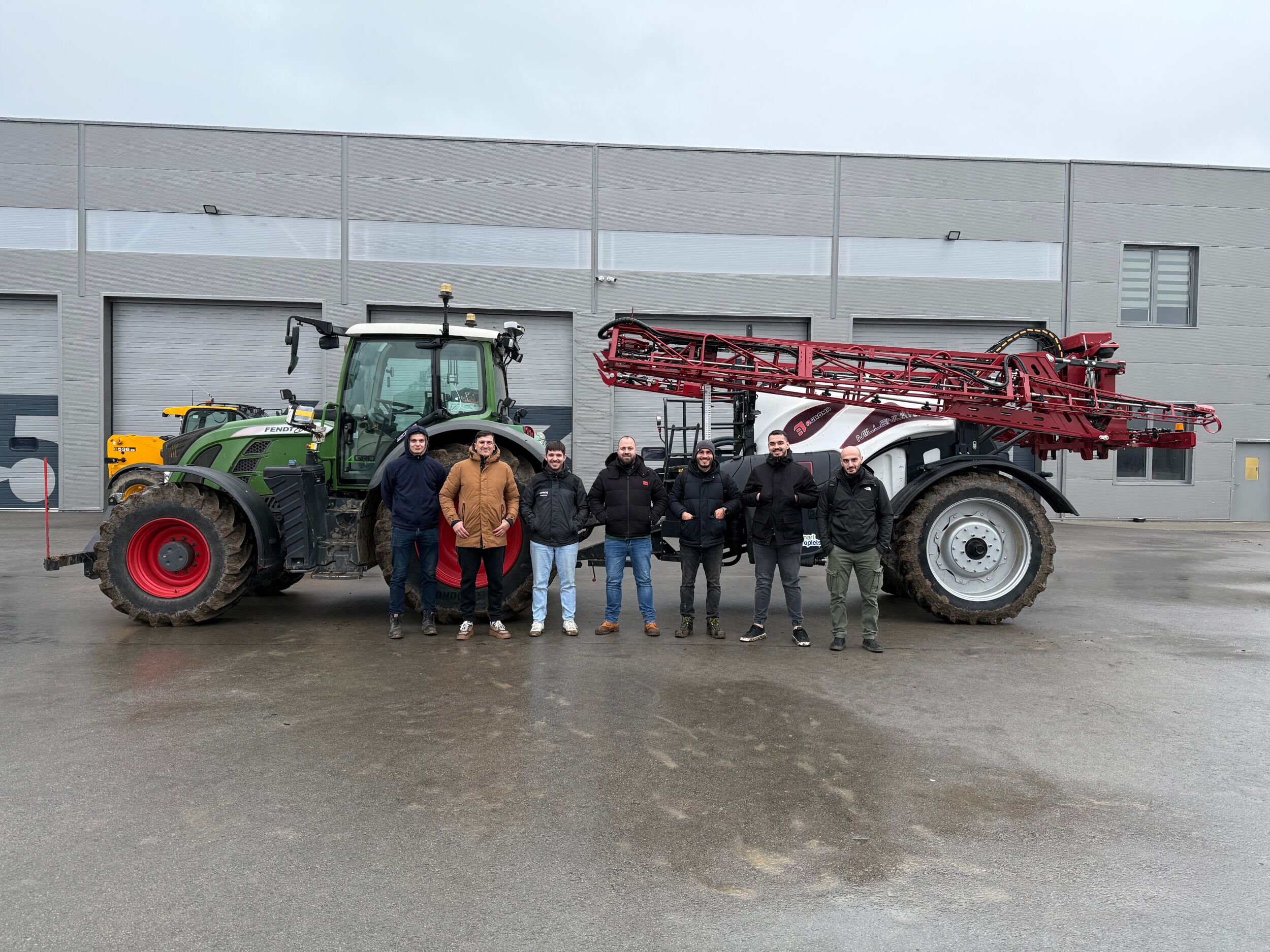
The "Integration Week" for the Lithuanian pilot was successfully completed.
Following the integration campaign, full autonomous spraying missions were executed, and local technicians were fully trained to operate the system. Additionally, scientific outputs directly tied to this pilot's data were published, including a peer-reviewed paper by Wageningen University (Baja et al.) on constrained reinforcement learning for optimizing nitrogen use efficiency at the Lithuanian site.
The second season of autumn herbicide and biostimulant/adjuvant applications was executed.
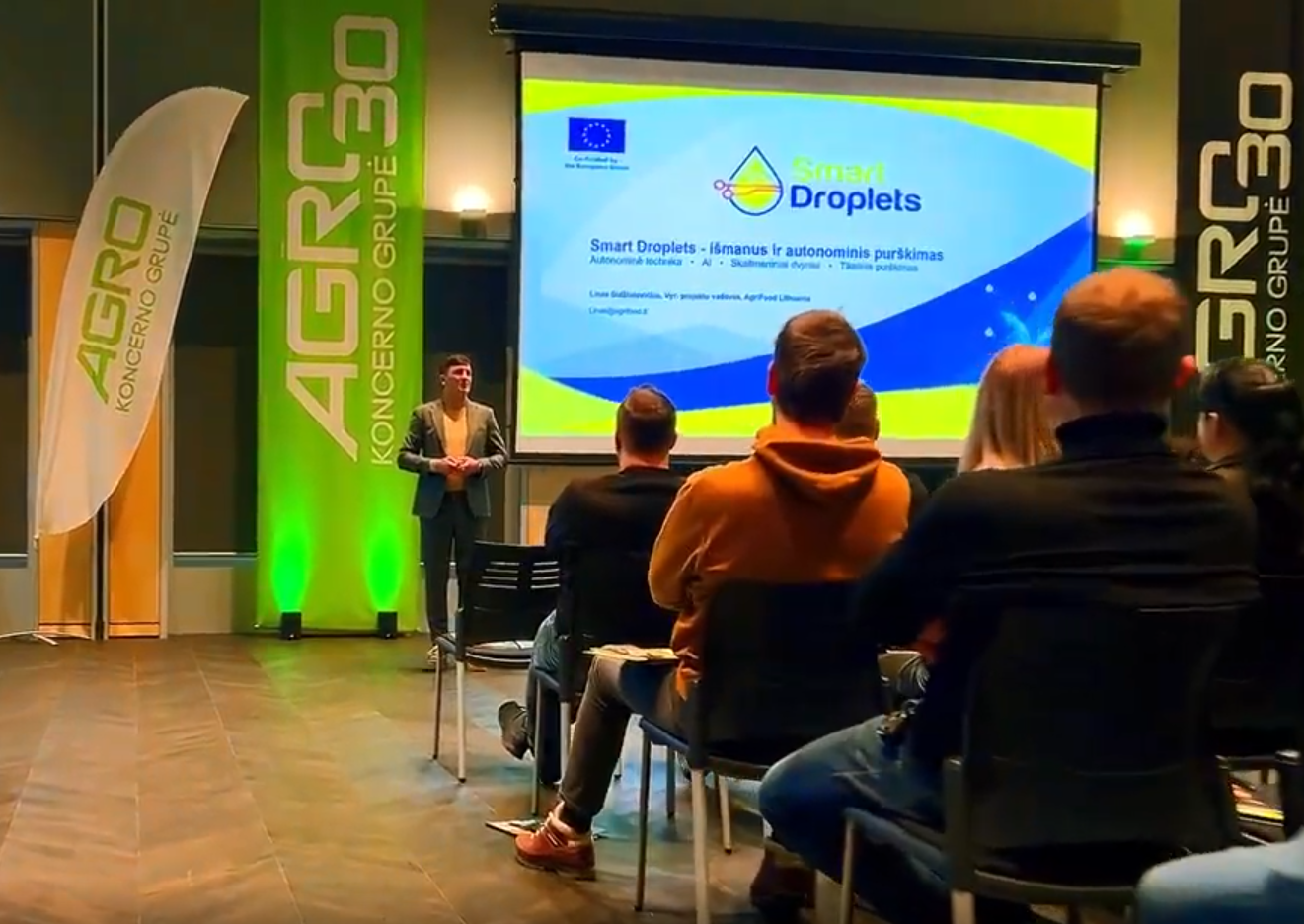
A second Open Day event was hosted at the Agrokoncernas Babtai premises. The event demonstrated autonomous navigation and precision herbicide application to a local farming community of 29 attendees.
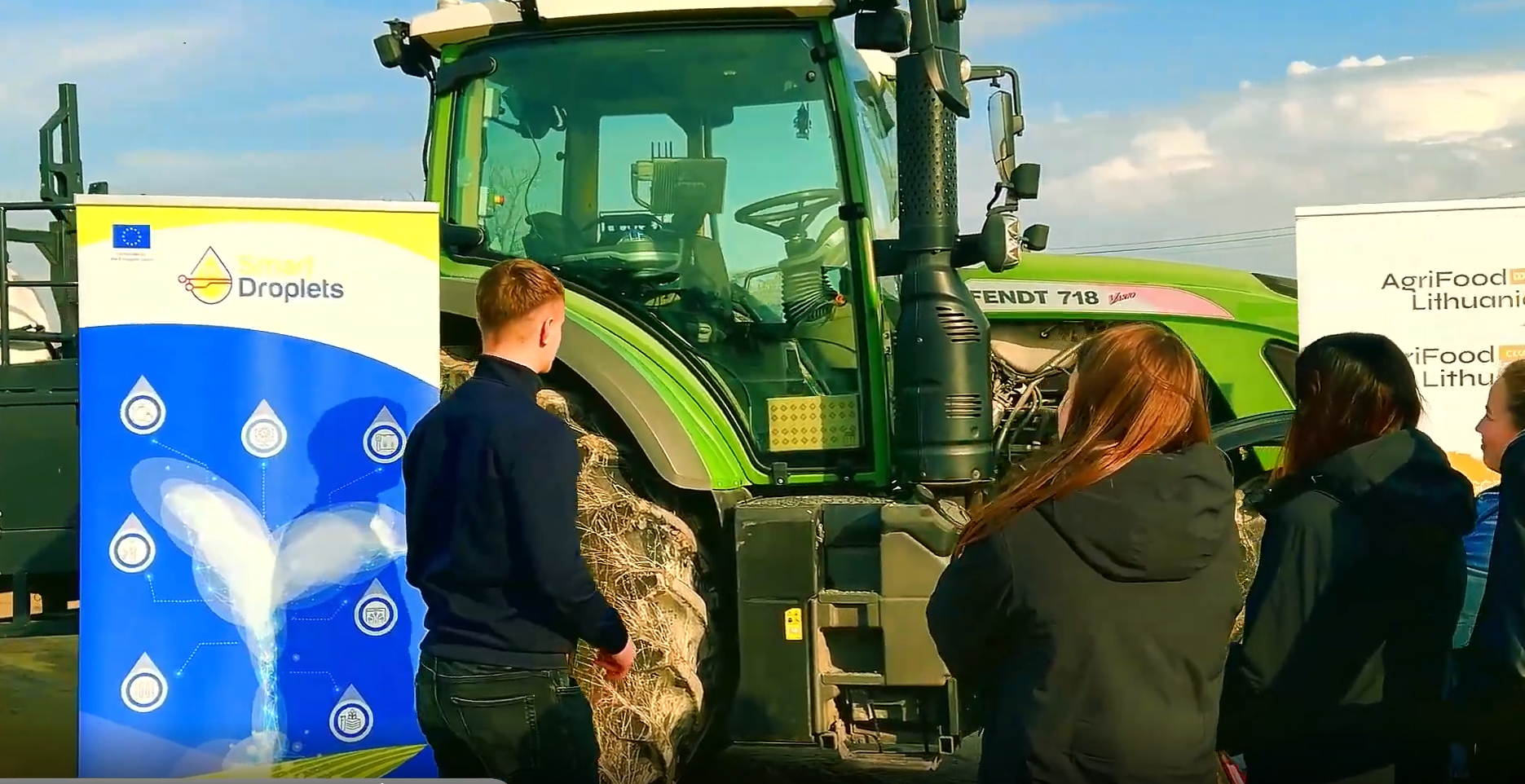
The concluding field demonstration (Third Open Day) took place directly in the Agrokoncernas fields. Attended by 10 farmers and stakeholders, the event featured observations of the autonomous driving functions, provided a comprehensive overview of system validation outcomes, and covered the next steps for autonomous precision agriculture.